Introduction
Anthropic’s first AI desktop companion hardware, named Claude-Desktop-Buddy, is surprisingly made in Shenzhen. This open-source project was initiated by Anthropic engineer Felix Rieseberg.
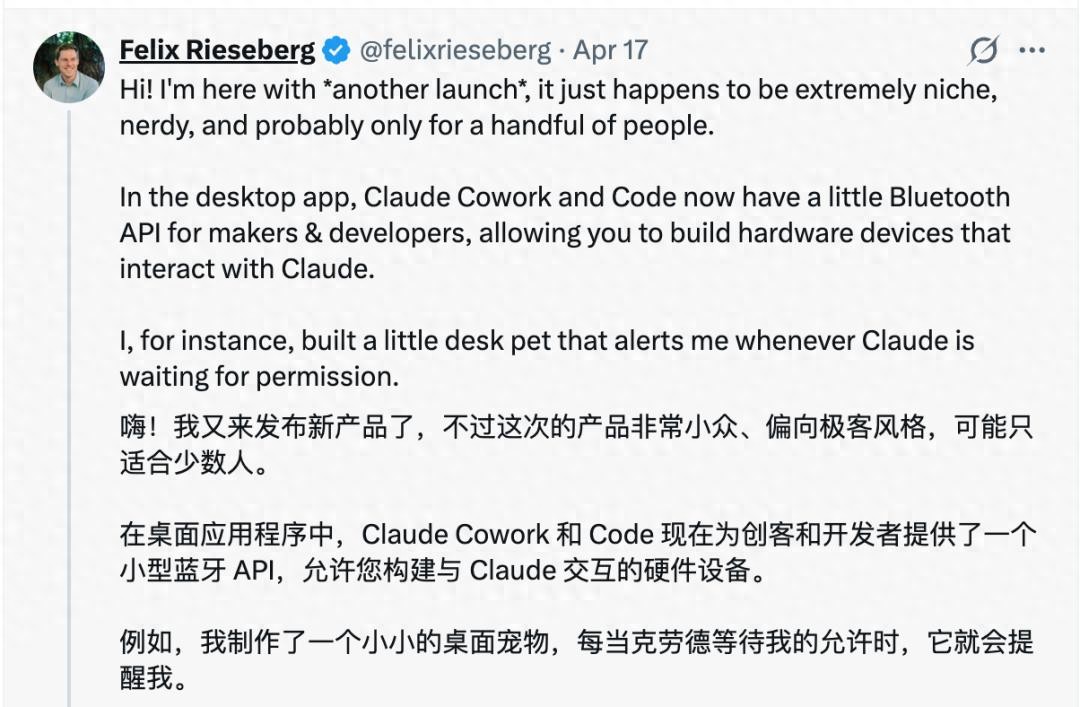
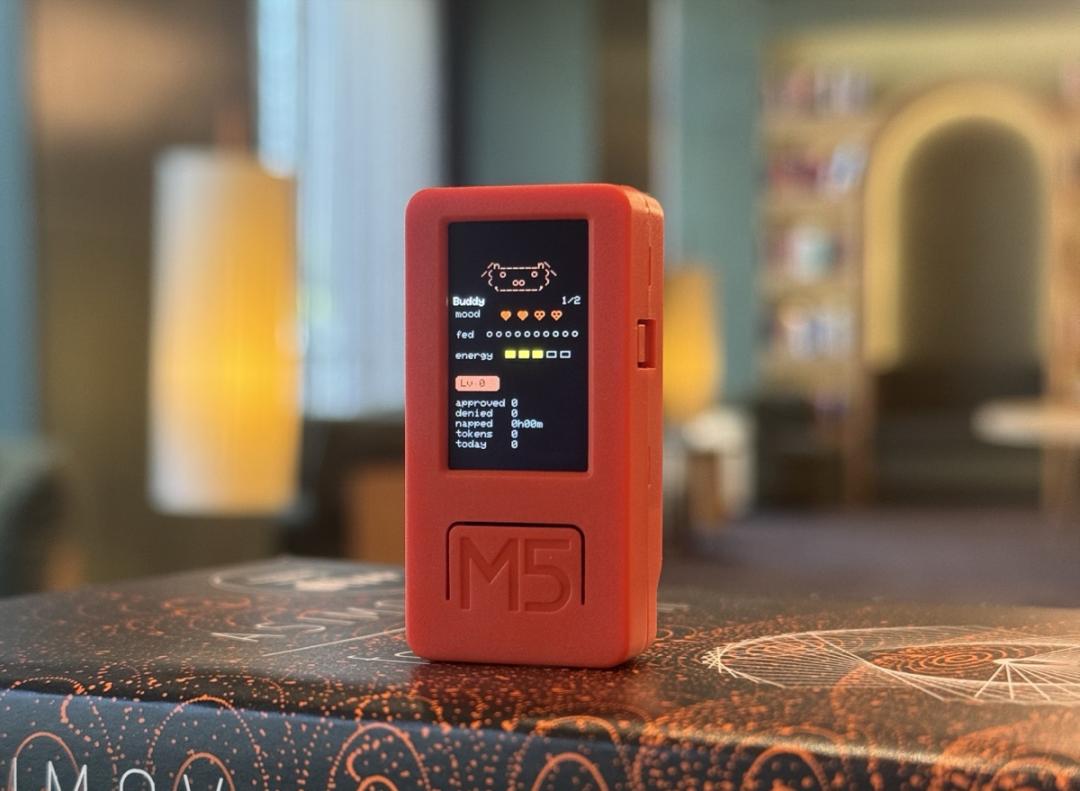
The official reference hardware is the M5StickC Plus, from Shenzhen-based company M5Stack. The chip used is the ESP32, sourced from Shanghai’s Espressif Technology.
By connecting the hardware to a computer via Bluetooth, it can function as your “electronic pet.” It displays Claude’s operational status, and you can approve or reject Claude’s actions directly from this small board.
It features 18 ASCII animal avatars, derived from the previously leaked Claude Code source, each with complete animations:
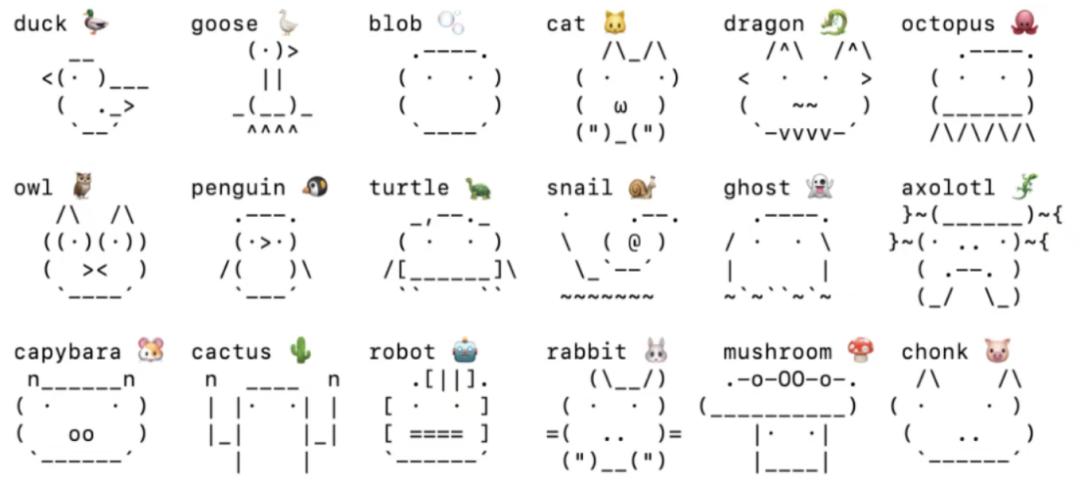
These animations include sleeping, idle, busy, reminders, celebrations, dizziness, and heartbeats, all in a non-repetitive loop.
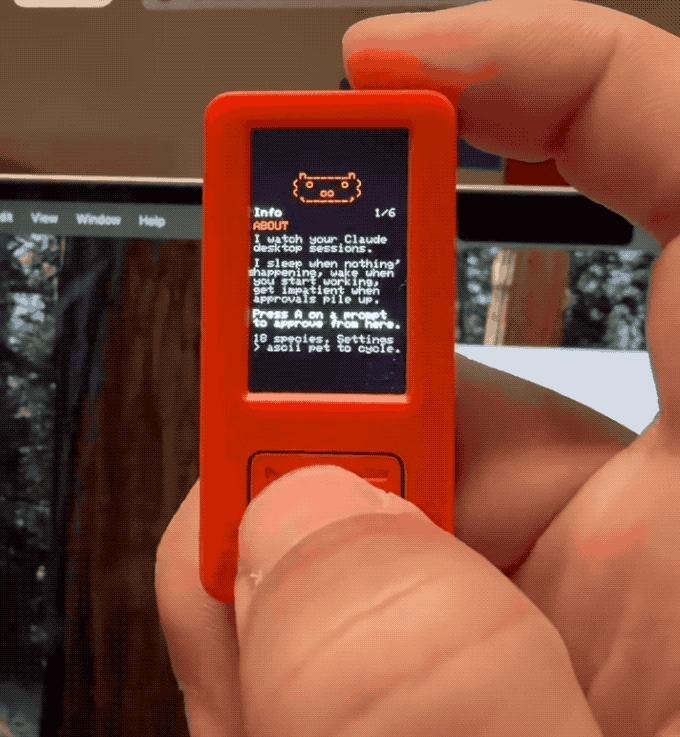
When idle, it enters sleep mode, wakes up at the start of a conversation, and shows impatience when waiting for approval prompts.
The Buddy is very easy to use; you just need a development board and follow the official open-source documentation to flash it with Claude in about 10 minutes.
Many developers have already replicated the Buddy:
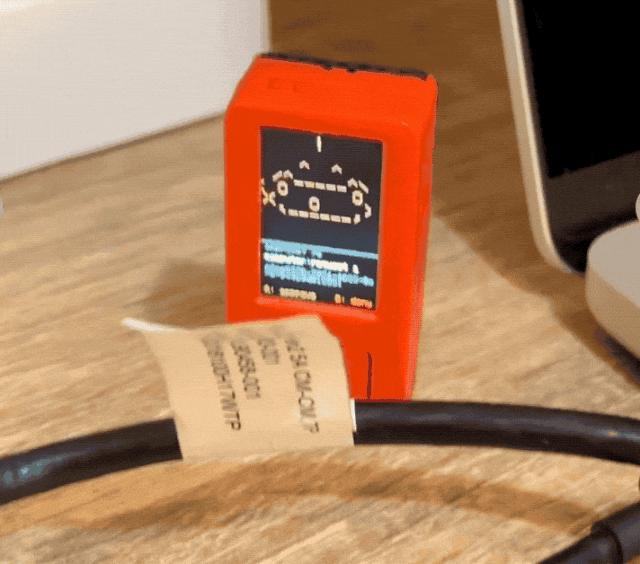
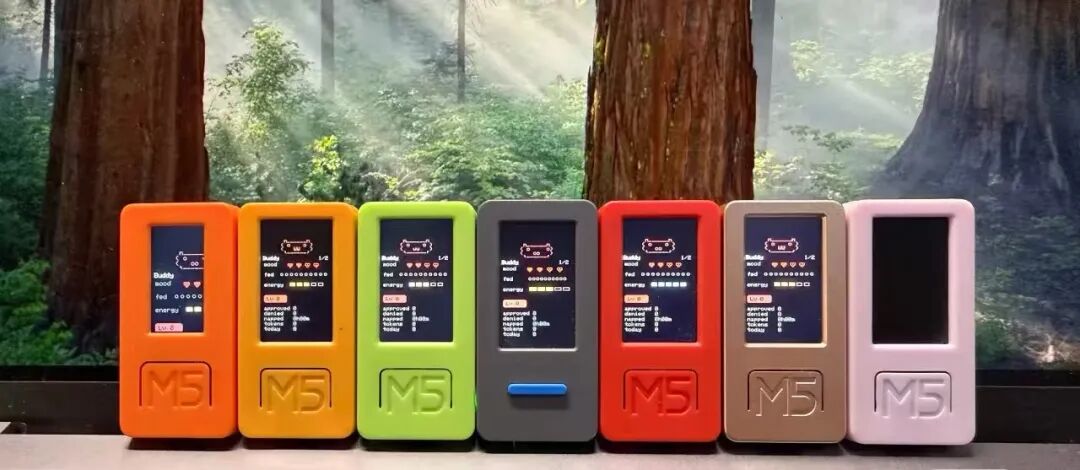
Some even collected seven Dragon Balls, preparing to summon Shenron:
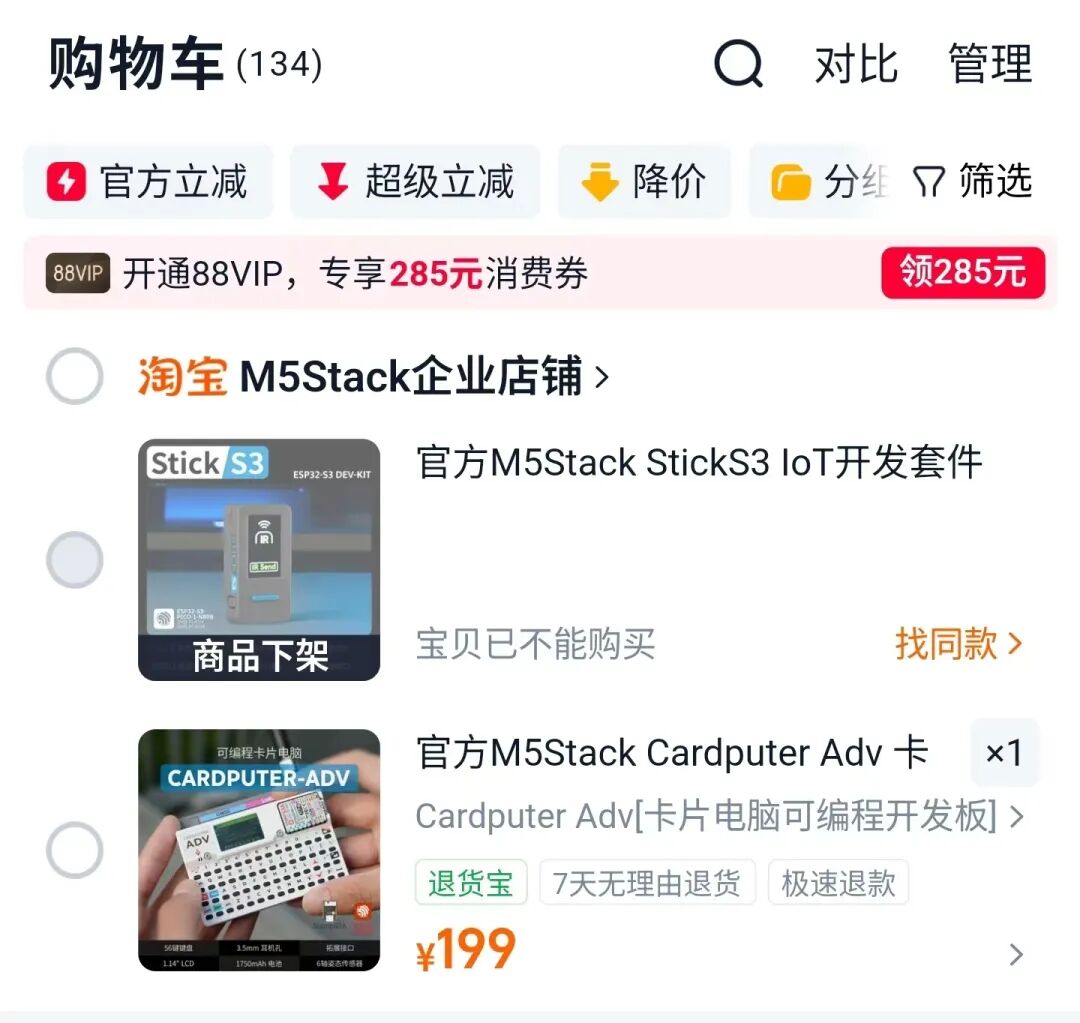
The M5Stick is already sold out on Taobao…
Why Did Anthropic Choose M5Stack?
M5Stack is a brand under Shenzhen M5Stack Technology, focusing on modular hardware development with products primarily using the ESP32 chip. Its products are widely used in IoT development, embedded systems, and cybersecurity, boasting excellent cost-performance ratio and functionality density.
The selected M5StickC Plus is one of M5Stack’s best-selling products, with annual sales reaching around 100,000 units overseas.
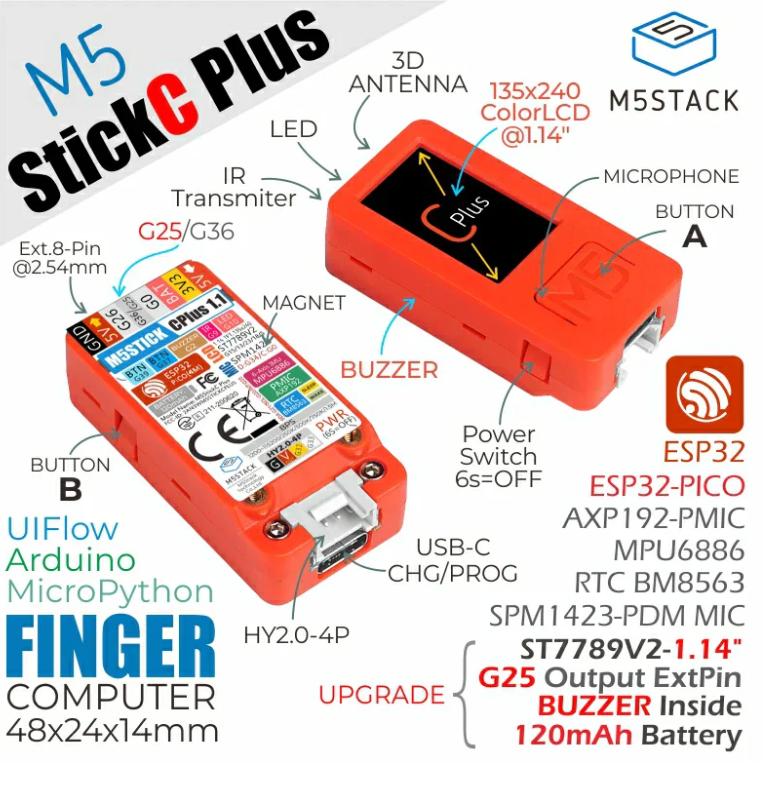
Originally positioned as a general-purpose IoT development board, its design philosophy is all-in-one, incorporating a screen, microphone, speaker, infrared, gyroscope, and buttons without a specific single purpose.
Thus, it was never anticipated that it would become an “AI peripheral.”
However, Lai Jingming, the CEO, believes that the underlying logic of AI peripherals is consistent with traditional development boards:
AI perceives the world through sound, light, electricity, and sensors, which is fundamentally no different from hardware designed for human use; it’s just that AI is now mimicking human perception of the world.
So why did Anthropic choose it? The reason is quite simple. Lai speculates that there are likely engineers at Anthropic who are already users of M5Stack, and they conveniently used the board for development.
Moreover, the M5StickC Plus is an older model, with newer versions like the Plus 2 and Stick S3 available. However, the choice of the older model might be due to the newer models frequently being out of stock, leading engineers to continue using the older version for development.
It sounds unexpected yet reasonable.

A developer who replicated Buddy shared a similar sentiment: M5Stack is as ubiquitous as Coca-Cola in the Maker community; it’s likely that Anthropic’s team had it on hand and used it.
Of course, another deeper reason for the selection is M5Stack’s years of accumulated quality documentation and code reliability, which minimizes errors when AI calls upon it. Lai explained that if documentation is incomplete or protocols are unclear, AI might generate erroneous code, causing the project to fail. Long-term commitment to quality is essential to avoid pitfalls.
Being the “default option” among global developers is a natural result of M5Stack’s focus on cultivating a robust developer ecosystem.
Shenzhen’s Supply Chain: Still Strong
Throughout the conversation, Lai’s attitude surprised me. Despite being chosen as the official reference hardware by a top global AI company, he remains calm, stating, “Such occurrences happen quite often; they come quickly and leave just as fast.”
However, he provided an insight: Anthropic’s choice of M5Stack is not only due to the product’s reputation but also practical factors—there is currently no complete supply chain for such hardware overseas, while China holds a significant advantage in this area.
His perception is that the cost of producing similar hardware overseas is 3 to 4 times that of domestic production, and the supply chain is incomplete, leading to inherent feasibility issues.
Shenzhen is characterized by strong execution; ideas can be acted upon the same day. “In Huaqiangbei, if someone has an idea, it won’t even wait until midnight before someone has made it.”
For instance, in Shenzhen, all the hundreds of components needed for an AI glasses setup can be sourced within 24 hours.
Shenzhen gathers the world’s densest electronic component suppliers, mold manufacturers, and testing agencies. This density results in a reaction speed that is hard to replicate elsewhere.
The traditional product development cycle of several months can be shortened to just a few weeks in Shenzhen, which has become standard practice.
Media reports have noted that at the 2026 CES, the robotics exhibition hall was almost entirely occupied by Chinese companies. An American journalist repeatedly asked all Asian faces, “Is your supply chain in Shenzhen?”
This isn’t the first time M5Stack has been chosen by international tech giants. Previously, AWS selected M5Stack Core2 as the official reference hardware for its IoT EduKit project.
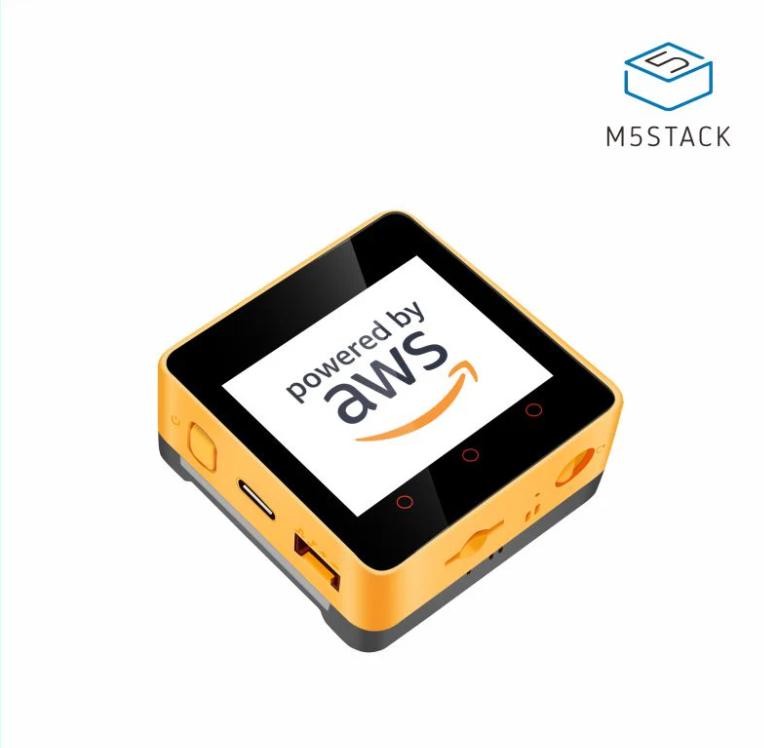
Lai mentioned that many of M5Stack’s B2B projects come about this way: engineers use the products themselves and then recommend them to their companies, creating a natural flow.
One More Thing
Returning to the Buddy project, some users are excited while others have already put it aside…
Developer passyear999 expressed to me that he finds the screen too small and doesn’t often use the physical buttons for approval, feeling it resembles a pet just sitting there.
However, he hasn’t given up on the board; after getting the official version running, he modified it:
He added a page triggered by buttons for Typeless voice input, allowing long-press to send, effectively turning the board into a physical interface for voice-controlling Claude.
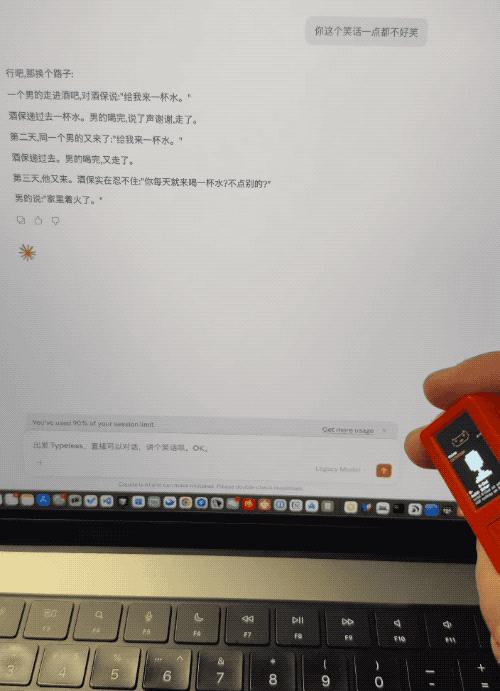
He feels that giving AI a physical form changes the emotional value when it’s right beside you.
Others have attempted to develop on larger screens:
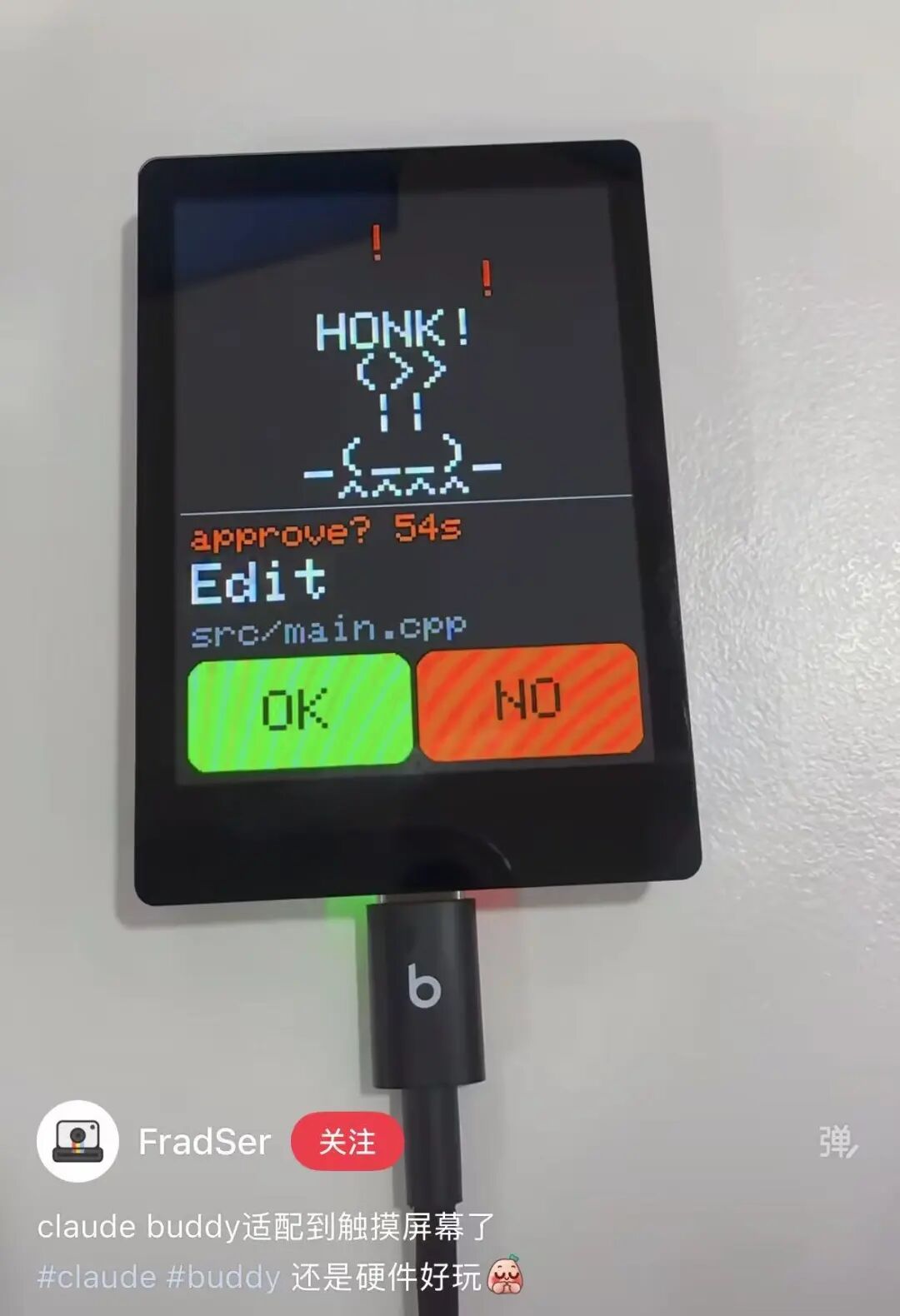
Lai believes that this project from Anthropic serves as a starting point—this is just the beginning; relying solely on a screen and two buttons for notifications and approvals is far from sufficient, and there will be more ways to play in the future.
As many AI companies rush to create hardware, Shenzhen’s hardware companies are reimagining what they can do.
M5Stack, having focused on modular hardware for years and selling products globally in the Maker community, has officially adjusted its mission post-Spring Festival to: “Prepare infrastructure for the future AI world.”
Project address:
Comments
Discussion is powered by Giscus (GitHub Discussions). Add
repo,repoID,category, andcategoryIDunder[params.comments.giscus]inhugo.tomlusing the values from the Giscus setup tool.